

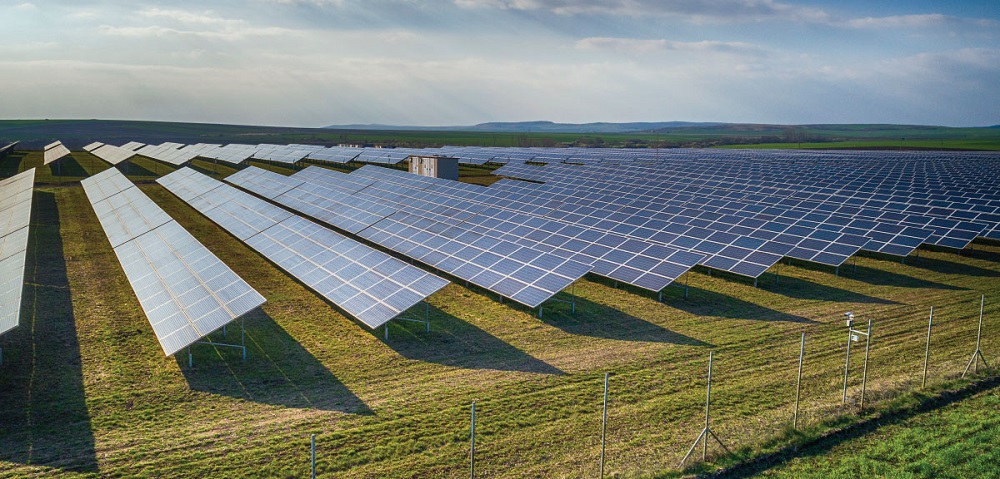
Solar power has rapidly become one of the most reliable and cost-effective energy solutions worldwide. As electricity demand increases and environmental concerns grow, solar energy offers a clean, renewable alternative that supports both economic savings and environmental responsibility.
Understanding Solar Power
Solar power is generated by capturing sunlight and converting it into usable electricity through advanced technologies such as photovoltaic (PV) panels. Unlike traditional energy sources, solar power does not rely on fuel combustion, making it a sustainable and eco-friendly option.
The Working Principle of Solar Energy
A solar power system functions through a streamlined process:
-
Solar panels collect sunlight using photovoltaic cells
-
Sunlight triggers an electrical charge within the cells
-
Electricity flows as direct current (DC)
-
An inverter converts DC into usable alternating current (AC)
-
Power is consumed, stored, or sent back to the utility grid
This process ensures consistent power generation with minimal operational complexity.
Major Types of Solar Power Systems
On-Grid Solar Systems
These systems remain connected to the public electricity grid and allow users to:
-
Use solar energy during daylight hours
-
Rely on grid power at night
-
Earn credits for excess electricity supplied back to the grid
Off-Grid Solar Systems
Designed for full energy independence, off-grid systems include batteries and are suitable for:
-
Remote or rural areas
-
Locations without grid access
-
Backup power needs
Hybrid Solar Systems
Hybrid systems combine grid connectivity with battery storage, offering:
-
Power during outages
-
Energy storage flexibility
-
Greater control over electricity usage
Advantages of Solar Power
Solar energy delivers long-term value across multiple areas:
-
Significant reduction in electricity bills
-
Clean energy generation with minimal emissions
-
Energy security against fluctuating utility prices
-
Low maintenance requirements
-
Enhanced property value for residential and commercial buildings
Cost Considerations for Solar Installation
The investment required for solar installation varies based on system capacity, location, and energy consumption. While the initial cost can be substantial, financial incentives often make solar more affordable, including:
-
Government subsidies
-
Tax rebates
-
Net metering programs
These benefits shorten the return-on-investment period considerably.
Solar Efficiency and Performance Factors
Modern solar panels typically achieve 18–23% efficiency, depending on technology and conditions. Performance depends on:
-
Sunlight availability
-
Roof angle and direction
-
Panel quality
-
Installation standards
Even regions with moderate sunlight can generate reliable solar power throughout the year.
Environmental Benefits of Solar Energy
Solar power plays a crucial role in reducing greenhouse gas emissions. Over its lifespan, a solar system offsets a large amount of carbon pollution, helping combat climate change while preserving natural resources.
Who Should Consider Solar Power?
Solar energy is ideal for:
-
Homeowners with adequate roof space
-
Businesses seeking operational cost reduction
-
Agricultural operations
-
Industrial facilities with high energy demand
A professional energy assessment helps determine feasibility and savings.
The Road Ahead for Solar Energy
Ongoing innovations in energy storage, panel materials, and smart grid integration are driving solar adoption worldwide. As technology evolves, solar power is expected to dominate future energy systems.
Frequently Asked Questions (FAQs)
1. Is solar power effective in all climates?
Solar works in most climates, though output varies depending on sunlight intensity and weather patterns.
2. How long does it take to recover the solar investment?
Most systems recover costs within 5–8 years, depending on energy usage and incentives.
3. Are solar panels safe for rooftops?
Yes, professionally installed panels are structurally safe and weather-resistant.
4. Can solar systems function during power outages?
Only systems with battery storage or hybrid setups can supply power during outages.
5. Does solar energy require permits?
Yes, local authorities usually require permits before installation.
6. Can solar energy power an entire home?
A correctly sized system can meet 100% of household energy needs.
7. What happens to solar panels after their lifespan?
Panels can be recycled, and many components are reusable.
