

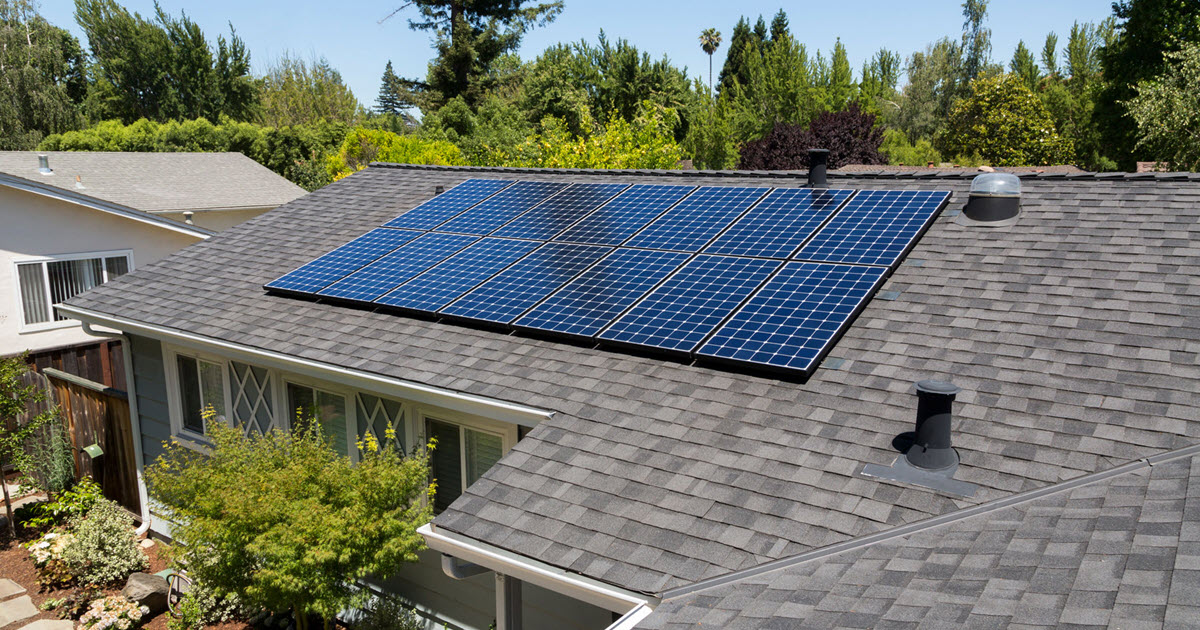
Solar energy has moved from a niche alternative to a mainstream power source across homes, businesses, and utilities. With falling equipment costs and rising electricity prices, solar has become a realistic option for people looking to cut energy bills while reducing environmental impact.
What Is Solar Energy?
Solar energy is power generated from sunlight using photovoltaic (PV) cells or solar thermal systems. These technologies convert sunlight into usable electricity or heat without burning fuel, making solar one of the cleanest energy sources available today.
How Solar Power Works
Solar systems operate through a simple but effective process:
-
Solar panels absorb sunlight through photovoltaic cells
-
The cells generate direct current (DC) electricity
-
An inverter converts DC into alternating current (AC)
-
Electricity is used instantly, stored in batteries, or exported to the grid
This process works silently and requires minimal human intervention once installed.
Types of Solar Energy Systems
Grid-Tied Solar Systems
Connected directly to the utility grid, these systems allow users to:
-
Use solar during the day
-
Draw power from the grid at night
-
Export excess electricity for bill credits
Off-Grid Solar Systems
Designed for independence, off-grid systems include batteries and are ideal for:
-
Remote locations
-
Rural homes
-
Areas with unreliable electricity
Hybrid Solar Systems
A combination of grid-tied and battery-based systems that offer:
-
Backup power during outages
-
Flexibility in energy use
-
Better control over electricity costs
Benefits of Solar Energy
Solar power offers both immediate and long-term advantages:
-
Lower electricity bills through self-generated power
-
Reduced carbon footprint with zero operational emissions
-
Energy independence from rising utility costs
-
Low maintenance with long system lifespan
-
Increased property value for solar-equipped homes
Cost of Solar Installation
The cost of installing solar depends on system size, location, and energy needs. While upfront investment may seem high, long-term savings often outweigh initial expenses. Many regions also offer:
-
Government incentives
-
Tax credits
-
Net metering benefits
These programs significantly reduce payback time.
Solar Energy Efficiency and Performance
Modern solar panels typically operate at 18–23% efficiency, meaning they convert a portion of sunlight into usable power. Performance is influenced by:
-
Panel orientation and tilt
-
Sunlight exposure
-
Local climate conditions
-
System design quality
Even in cloudy regions, solar systems can generate substantial energy year-round.
Environmental Impact of Solar Power
Solar energy dramatically reduces dependence on fossil fuels. Over its lifetime, a single residential solar system can offset several tons of carbon emissions. Manufacturing impacts exist, but they are far lower compared to coal or gas-based power generation.
Is Solar Energy Right for You?
Solar is well-suited for:
-
Homeowners with good roof exposure
-
Businesses with high daytime energy use
-
Farms and industrial facilities
-
Regions with rising electricity costs
A site assessment helps determine potential savings and system size.
The Future of Solar Energy
Advancements in battery storage, panel efficiency, and smart energy management continue to expand solar’s potential. As technology improves, solar energy is expected to play a central role in global power generation.
Frequently Asked Questions (FAQs)
1. How long do solar panels last?
Most solar panels last 25–30 years, with gradual efficiency reduction over time.
2. Can solar panels work during cloudy days?
Yes, solar panels still generate electricity under cloud cover, though output is reduced.
3. Do solar systems require frequent maintenance?
No, basic cleaning and periodic inspections are usually sufficient.
4. Is battery storage necessary for solar power?
Not always. Battery storage is optional for grid-tied systems but essential for off-grid setups.
5. How much roof space is needed for solar panels?
An average home system typically requires 250–400 square feet, depending on panel efficiency.
6. Can solar power run heavy appliances?
Yes, properly sized systems can support air conditioners, refrigerators, and other large appliances.
7. Does solar increase home resale value?
Homes with solar systems often sell faster and at higher prices due to lower energy costs.
