

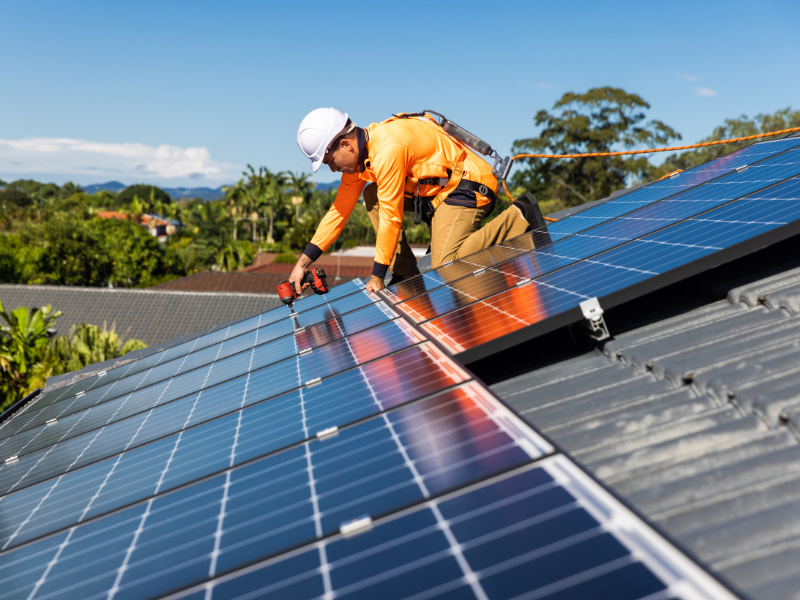
Energy-efficient roofing plays a central role in reducing household energy consumption, improving indoor comfort, and lowering long-term maintenance costs. Modern sustainable roofing solutions are designed to reflect heat, enhance insulation, manage rainwater, and support renewable energy systems. Choosing the right option can significantly improve a home’s environmental performance while increasing property value.
Why Energy Efficient Roofing Matters
A traditional roof absorbs large amounts of solar heat, which increases indoor temperatures and raises cooling costs. Energy-efficient roofing materials help regulate temperature by reflecting sunlight and improving insulation performance.
Key benefits include:
- Reduced electricity consumption for cooling and heating
- Lower carbon footprint
- Improved indoor thermal comfort
- Extended roof lifespan
- Increased resale value of the home
Selecting the right roofing material depends on climate conditions, budget, roof structure, and long-term sustainability goals.
Cool Roof Systems
Cool roofs are designed to reflect more sunlight and absorb less heat compared to conventional roofing materials. They are particularly effective in warm climates where cooling costs dominate annual energy use.
Common cool roof materials include:
- Reflective coatings
- Light-colored tiles
- Reflective asphalt shingles
- Metal roofing with special coatings
Advantages:
- Reduces indoor temperatures
- Decreases air-conditioning usage
- Improves roof durability under intense sunlight
- Supports urban heat reduction
Cool roofing is one of the simplest upgrades for improving energy performance without major structural changes.
Metal Roofing for Long-Term Efficiency
Metal roofing is widely recognized for its durability, reflectivity, and recyclability. Modern metal roofs often include reflective coatings that reduce heat absorption.
Key benefits:
- Reflects solar radiation effectively
- Can last 40 to 70 years
- Compatible with solar panel installations
- Lightweight compared to many traditional materials
- Made from recyclable materials
Metal roofing performs especially well in regions experiencing high solar exposure throughout the year.
Green Roof Systems
Green roofs involve installing vegetation layers above waterproof roofing systems. They provide natural insulation and improve air quality around the home.
Types of green roofs include:
- Extensive green roofs with lightweight vegetation
- Intensive green roofs with shrubs and gardens
Advantages:
- Excellent thermal insulation
- Absorbs rainwater and reduces runoff
- Improves surrounding air quality
- Enhances aesthetic appeal
- Supports biodiversity in urban environments
Green roofs require proper structural assessment before installation due to additional load requirements.
Solar Reflective Tiles and Shingles
Solar reflective roofing tiles are engineered with advanced pigments that reflect infrared radiation while maintaining natural color appearance.
Benefits include:
- Maintains traditional roof aesthetics
- Reduces heat absorption
- Improvers indoor temperature regulation
- Suitable for both new construction and renovation projects
These materials are ideal for homeowners seeking efficiency without changing architectural style.
Clay and Concrete Roofing Tiles
Clay and concrete tiles provide natural insulation through their thermal mass and air circulation properties beneath the tile structure.
Advantages:
- Long service life
- Fire resistance
- Strong thermal regulation
- Minimal maintenance requirements
- Suitable for hot climates
Light-colored tile variants further enhance solar reflectivity.
Recycled Roofing Materials
Environmentally conscious homeowners increasingly choose recycled roofing materials manufactured from rubber, plastic, or reclaimed wood fibers.
Benefits include:
- Reduces landfill waste
- Conserves natural resources
- Lightweight installation
- Durable performance
- Often designed to mimic slate or wood textures
These materials support circular construction practices without sacrificing strength or appearance.
Roof Insulation Improvements for Energy Savings
Even the most advanced roofing material performs best when combined with effective insulation systems.
Recommended insulation upgrades include:
- Radiant barriers
- Spray foam insulation
- Rigid board insulation
- Reflective foil layers
Proper insulation prevents heat transfer through the roof and enhances year-round energy efficiency.
Solar Panel Integrated Roofing Systems
Solar-integrated roofing combines structural roofing materials with electricity generation capability.
Key advantages:
- Produces renewable energy at home
- Reduces dependence on grid electricity
- Enhances property value
- Supports long-term energy independence
Integrated solar roofing is particularly suitable for new construction or major roof replacement projects.
Choosing the Right Energy Efficient Roofing Option
Selecting the best roofing solution depends on several important factors:
Climate conditions
Roof structure strength
Budget availability
Local building regulations
Maintenance expectations
Long-term sustainability goals
Combining reflective materials with strong insulation typically produces the best performance outcomes.
Maintenance Tips for Energy Efficient Roof Performance
Proper maintenance ensures that roofing systems continue delivering energy savings over time.
Recommended practices:
- Inspect roof surfaces twice annually
- Clean debris accumulation
- Repair damaged shingles promptly
- Maintain drainage systems
- Reapply reflective coatings when required
Routine maintenance protects both energy efficiency and structural integrity.
FAQs About Energy Efficient Roofing Options
How much energy can an efficient roof save annually
Energy-efficient roofing can reduce cooling energy consumption by 10 to 30 percent depending on climate conditions and insulation quality.
Is energy-efficient roofing suitable for older homes
Yes. Many reflective coatings and upgraded shingles can be installed on existing roofs without full replacement.
Do energy-efficient roofs increase property value
Homes with sustainable roofing features often attract higher resale interest and improved market value due to reduced operating costs.
Are green roofs difficult to maintain
Extensive green roofs require minimal maintenance, while intensive green roofs with gardens need regular care similar to landscaping.
Can energy-efficient roofing help during winter
Yes. Proper insulation combined with reflective materials helps maintain indoor warmth and reduces heating requirements.
Which roofing material lasts the longest
Metal roofing and clay tiles typically offer the longest service life when properly installed and maintained.
Are solar roofing systems expensive to install
Initial installation costs may be higher, but long-term electricity savings and incentives often offset the investment over time.
