

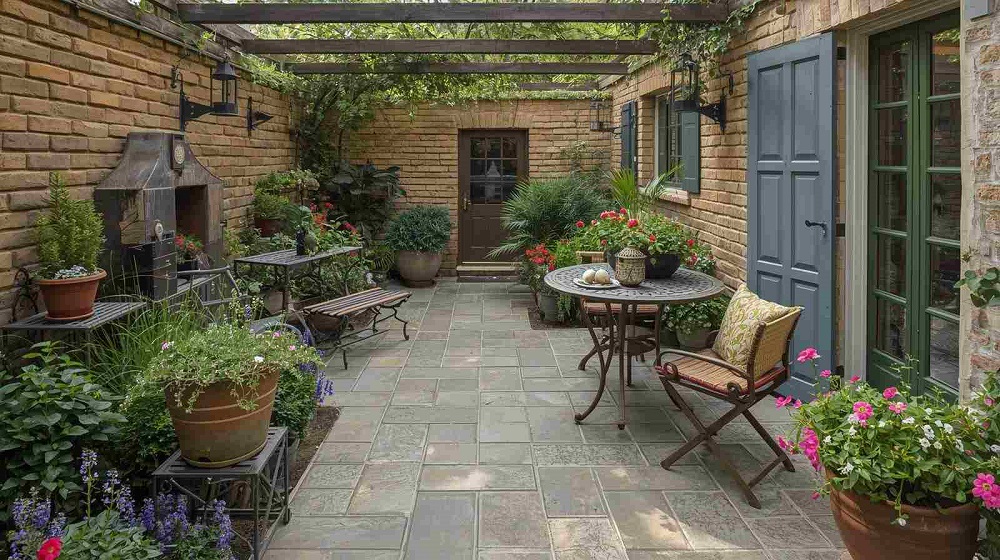
Urban living often limits access to traditional gardening spaces, yet terraces offer an excellent opportunity to create productive and refreshing green environments. With thoughtful planning and space-saving techniques, even compact rooftops can support vegetables, herbs, flowers, and decorative plants. Efficient terrace gardening improves air quality, reduces heat absorption, and creates a peaceful retreat within busy cities.
This guide presents practical terrace gardening ideas designed specifically for limited urban spaces so you can maximize productivity without overcrowding your rooftop.
Plan Your Terrace Layout Before You Start
Efficient terrace gardening begins with smart planning. Instead of randomly placing pots, create a structured layout that supports sunlight exposure, movement, and drainage.
Key planning considerations include:
- Identify areas receiving full sunlight, partial shade, and shade
- Keep heavier containers close to structural support walls
- Leave walking paths for watering and maintenance
- Reserve corners for vertical structures
- Ensure proper water drainage across the terrace floor
A well-planned layout prevents clutter and improves plant health.
Use Vertical Gardening to Multiply Space
Vertical gardening is the most effective solution for compact terraces. Instead of spreading plants horizontally, grow upward.
Practical vertical gardening solutions include:
- Wall-mounted planter frames
- Hanging baskets along railings
- Tiered plant stands
- Recycled wooden pallet gardens
- Rope-supported climber systems
Ideal plants for vertical setups:
- Spinach
- Mint
- Coriander
- Cherry tomatoes
- Beans
- Strawberries
This approach increases planting capacity without reducing usable walking space.
Choose Lightweight Containers for Safety and Flexibility
Terrace structures have load limits, so container selection matters.
Recommended container types:
- Grow bags
- Plastic pots
- Fiber planters
- Rectangular railing planters
- Modular stackable pots
Avoid heavy stone containers unless structural strength is confirmed.
Grow bags are especially useful because they:
- Reduce roof load pressure
- Improve root aeration
- Are easy to rearrange
- Support seasonal crop rotation
Select High-Yield Plants Suitable for Small Terraces
Limited space requires selecting plants that produce more within smaller footprints.
Best vegetables for terrace gardening:
- Tomatoes
- Chillies
- Brinjal
- Spinach
- Fenugreek
- Lettuce
- Radish
Best herbs for compact terraces:
- Mint
- Basil
- Coriander
- Curry leaves
- Oregano
Fast-growing leafy vegetables allow multiple harvest cycles throughout the year.
Install Railing Planters to Utilize Edge Areas
Terrace railings are often unused spaces that can support productive planting.
Railing planters are ideal for:
- Herbs
- Flowers
- Strawberries
- Leafy vegetables
Advantages of railing gardening include:
- Saves floor space
- Improves sunlight exposure
- Enhances terrace aesthetics
- Creates natural privacy screens
This technique significantly increases planting capacity without expanding footprint usage.
Use Smart Irrigation Methods to Save Time and Water
Efficient watering is essential in terrace environments where water availability may be limited.
Recommended irrigation solutions:
- Drip irrigation systems
- Self-watering pots
- Bottle irrigation setups
- Mulching with dry leaves or cocopeat
Benefits of drip irrigation:
- Prevents water wastage
- Maintains soil moisture consistency
- Reduces maintenance effort
- Supports healthy root development
Consistent watering schedules improve crop yield and plant longevity.
Create Multi-Level Plant Zones for Better Organization
Multi-level arrangements make small terraces appear larger while increasing planting density.
Ways to build layered garden zones:
- Use plant shelves
- Install metal racks
- Add wooden ladder stands
- Arrange pots in step formation
Place taller plants at the back and shorter plants in front to maintain sunlight balance.
Improve Soil Quality with Lightweight Growing Mix
Traditional garden soil is heavy and unsuitable for rooftops. Instead, use lightweight growing media.
Ideal terrace garden soil mix:
- 40 percent cocopeat
- 30 percent compost
- 20 percent garden soil
- 10 percent sand or perlite
Benefits of this mix:
- Improves drainage
- Reduces structural load
- Supports root aeration
- Enhances nutrient absorption
Healthy soil ensures strong plant growth even in limited container depth.
Add Shade Control for Temperature Management
Urban terraces often experience intense sunlight exposure.
Simple shade management solutions include:
- Green shade nets
- Bamboo screens
- Climber plants on trellis frames
- Movable canopy covers
These reduce heat stress and prevent excessive evaporation from containers.
Use Companion Planting to Maximize Productivity
Companion planting allows multiple crops to grow efficiently within limited areas.
Effective combinations include:
- Tomato with basil
- Spinach with radish
- Chilli with coriander
- Beans with lettuce
Benefits of companion planting:
- Saves space
- Reduces pest attacks
- Improves soil health
- Increases productivity
Strategic crop pairing helps terrace gardens perform better in compact environments.
Maintain Proper Drainage to Protect the Terrace Surface
Poor drainage can damage terrace flooring and building structure.
Essential drainage practices:
- Elevate pots using stands
- Install waterproof sheets beneath garden zones
- Keep drainage holes clear
- Direct runoff water toward outlets
These precautions protect both plants and rooftop structure.
Frequently Asked Questions
What is the minimum terrace size required for terrace gardening
Even a terrace as small as 20 to 30 square feet can support herbs, leafy vegetables, and decorative plants using vertical gardening techniques.
How much sunlight is necessary for terrace vegetable gardening
Most vegetables require at least 5 to 7 hours of direct sunlight daily for healthy growth and good yield.
Can terrace gardening damage building structures
Terrace gardening is safe when lightweight containers are used and proper waterproofing and drainage systems are maintained.
Which vegetables grow fastest on terraces
Spinach, fenugreek, lettuce, radish, and coriander grow quickly and are ideal for frequent harvesting cycles.
How often should terrace plants be watered
Watering frequency depends on season and container size, but most terrace plants require watering once daily during summer and once every two days during cooler months.
Is drip irrigation necessary for small terrace gardens
Drip irrigation is not mandatory but highly beneficial for saving water, maintaining consistent soil moisture, and reducing manual effort.
What is the best fertilizer for terrace vegetable plants
Organic compost, vermicompost, and liquid bio-fertilizers provide balanced nutrition and improve long-term soil fertility without harming plants.
