

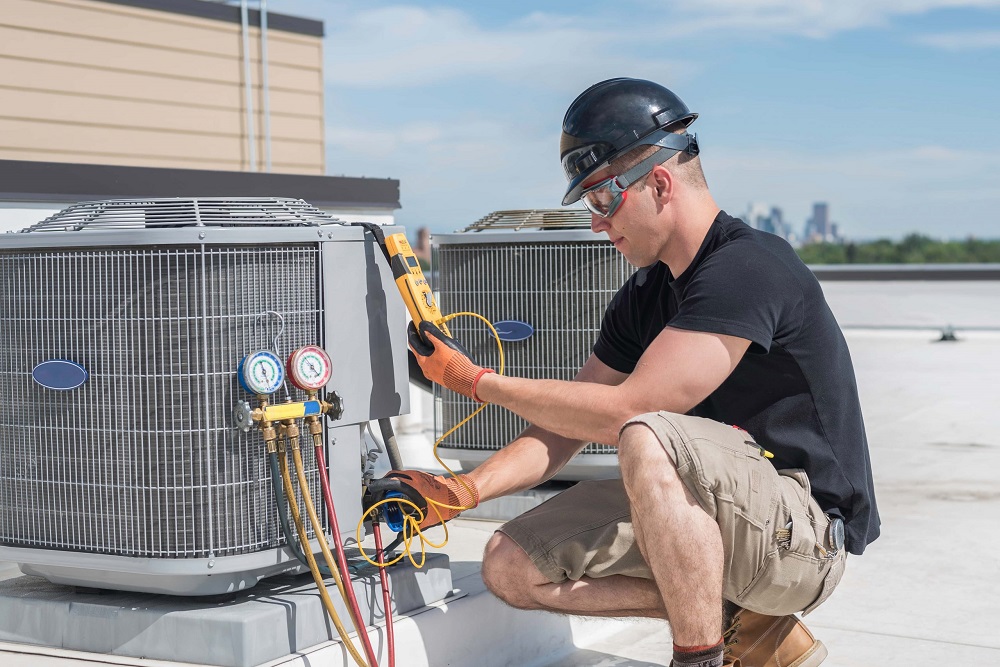
Heating, Ventilation, and Air Conditioning (HVAC) systems play a critical role in modern living. Whether it’s keeping homes warm in winter, cool in summer, or ensuring clean indoor air year-round, HVAC technology directly affects comfort, health, and energy efficiency. Understanding how these systems work and why they matter helps homeowners and businesses make smarter decisions.
What Is an HVAC System?
An HVAC system is a combined setup designed to control temperature, humidity, and air quality within indoor spaces. Rather than being a single unit, HVAC usually refers to a group of components working together.
Core Functions of HVAC
-
Heating – Raises indoor temperature during cold conditions
-
Ventilation – Circulates and refreshes indoor air
-
Air Conditioning – Removes heat and excess moisture
Each function contributes to maintaining a stable and comfortable indoor environment.
Main Components of an HVAC System
Understanding the major parts of HVAC systems makes maintenance and troubleshooting easier.
Heating Components
-
Furnaces (gas, electric, or oil-powered)
-
Heat pumps for both heating and cooling
-
Boilers used with radiators or radiant floors
Cooling Components
-
Central air conditioners
-
Ductless mini-split systems
-
Evaporator and condenser coils
Ventilation Components
-
Air ducts and vents
-
Air filters
-
Exhaust fans and air handlers
Each component must work in harmony for optimal system performance.
Types of HVAC Systems
Different buildings require different HVAC solutions. Choosing the right system depends on space, climate, and budget.
Common HVAC System Types
-
Split systems – Separate indoor and outdoor units
-
Hybrid systems – Combine gas and electric heating
-
Ductless systems – Ideal for homes without ductwork
-
Packaged systems – All components housed in a single unit
Each option offers unique advantages in terms of cost, efficiency, and installation flexibility.
Why HVAC Systems Are Essential
HVAC systems do more than regulate temperature. They contribute significantly to health, productivity, and long-term savings.
Key Benefits of HVAC
-
Improved indoor air quality by filtering pollutants
-
Energy efficiency through modern smart controls
-
Humidity control for comfort and mold prevention
-
Consistent comfort across seasons
A well-designed HVAC system enhances daily living while reducing environmental impact.
Energy Efficiency and Modern HVAC Technology
Advancements in HVAC technology have made systems smarter and more sustainable.
Features That Improve Efficiency
-
Programmable and smart thermostats
-
High-efficiency compressors
-
Variable-speed motors
-
Zoned heating and cooling
Energy-efficient HVAC systems lower utility bills and reduce carbon emissions without sacrificing comfort.
HVAC Installation and Maintenance
Proper installation and regular upkeep are crucial for system longevity and performance.
Best Practices for HVAC Care
-
Schedule professional inspections annually
-
Replace air filters every 1–3 months
-
Keep outdoor units clean and unobstructed
-
Address minor issues before they become costly repairs
Preventive maintenance helps avoid breakdowns and ensures consistent performance.
Choosing the Right HVAC System
Selecting an HVAC system requires balancing comfort needs with long-term costs.
Factors to Consider
-
Size of the building
-
Local climate conditions
-
Energy efficiency ratings
-
Installation and maintenance costs
Consulting HVAC professionals ensures the system is properly sized and optimized for your space.
The Future of HVAC Systems
HVAC technology continues to evolve with a focus on sustainability and automation. Future systems are expected to rely more on renewable energy, advanced sensors, and AI-driven climate control, making indoor environments healthier and more efficient than ever.
Frequently Asked Questions (FAQs)
1. How often should an HVAC system be serviced?
Most HVAC systems should be professionally serviced at least once a year, ideally before peak heating or cooling seasons.
2. What is the average lifespan of an HVAC system?
With proper maintenance, most HVAC systems last between 15 and 25 years, depending on usage and system type.
3. How can I improve indoor air quality using HVAC?
Regular filter changes, duct cleaning, and proper ventilation significantly improve indoor air quality.
4. Is a heat pump better than a traditional furnace?
Heat pumps are more energy-efficient in moderate climates, while furnaces perform better in extremely cold regions.
5. Why is my HVAC system making unusual noises?
Unusual sounds may indicate loose components, airflow issues, or mechanical wear and should be inspected promptly.
6. Can HVAC systems help control humidity?
Yes, modern HVAC systems regulate humidity levels, improving comfort and preventing mold growth.
7. How do I know if my HVAC system is energy efficient?
Check energy ratings, utility bills, and system age. Newer systems with high efficiency ratings consume less energy.
