

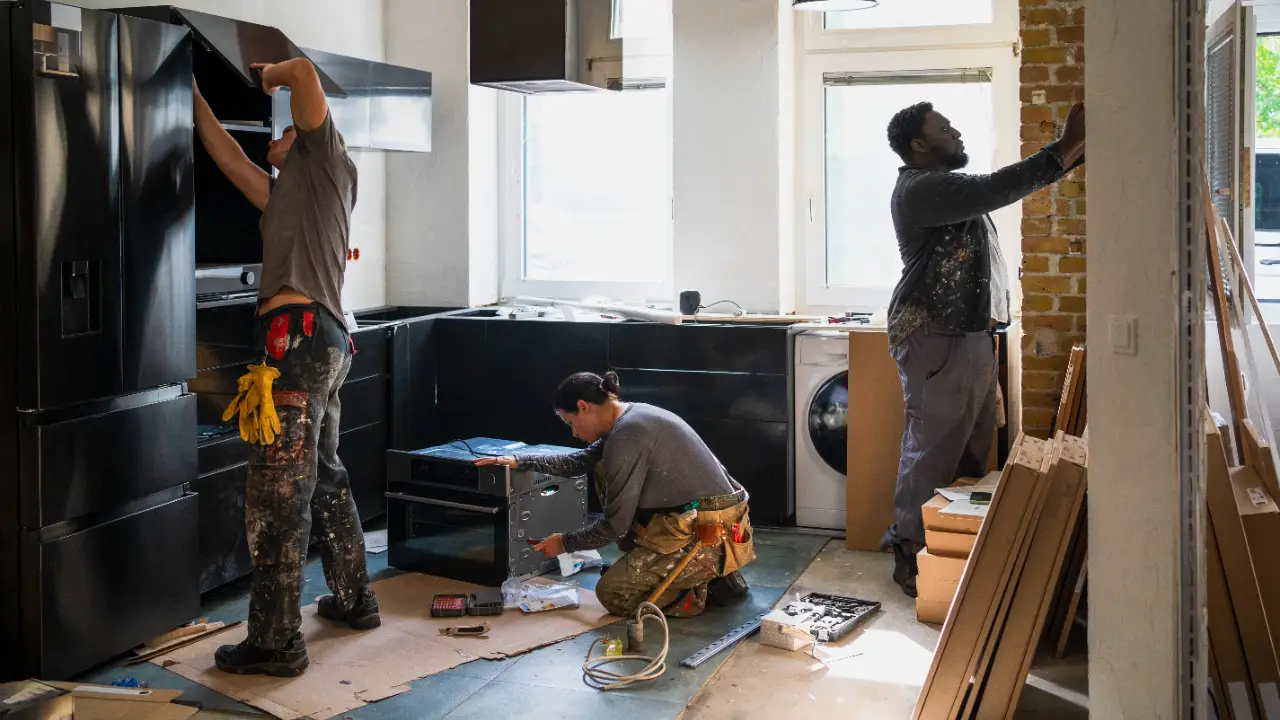
Home improvement is more than a cosmetic upgrade. It is a thoughtful process of enhancing how a space functions, feels, and supports everyday living. Whether you are planning small weekend updates or larger renovations, strategic improvements can increase property value, reduce maintenance costs, and make daily routines more efficient and enjoyable.
This guide explains how to approach home improvement in a structured way, highlights high-impact upgrades, and helps you prioritize projects that deliver lasting results.
Planning Your Home Improvement Projects
Successful home improvement begins with preparation rather than purchasing materials immediately. Planning helps avoid unnecessary expenses and ensures projects align with your lifestyle needs.
Start with these essential steps:
Evaluate your home carefully
Walk through each room and identify:
- maintenance concerns
- outdated fixtures
- inefficient layouts
- lighting issues
- storage limitations
Set clear priorities
Ask yourself:
- Which improvements improve daily comfort
- Which upgrades reduce future repair costs
- Which changes increase resale value
Create a realistic budget
Include:
- materials
- labor
- permits if required
- contingency allowance for unexpected issues
A planned approach prevents rushed decisions and keeps projects manageable.
High Impact Improvements That Deliver Immediate Results
Some improvements transform the appearance and functionality of a home quickly without requiring major structural work.
Consider starting with:
Interior painting
Fresh paint:
- brightens rooms
- protects surfaces
- modernizes interiors instantly
- allows color personalization
Neutral tones work well if resale value is a consideration.
Lighting upgrades
Replace outdated fixtures with layered lighting such as:
- ceiling lights
- wall sconces
- task lighting
- ambient lighting
Good lighting improves mood, productivity, and visual comfort.
Decluttering and storage optimization
Smart storage solutions create usable space without expanding square footage.
Examples include:
- modular shelving
- under-bed storage
- vertical wall organizers
- multi-purpose furniture
These small adjustments significantly improve functionality.
Kitchen Improvements That Add Practical Value
The kitchen is one of the most valuable spaces to upgrade. Even modest improvements here influence daily convenience and long-term property value.
Focus on:
Cabinet upgrades
Options include:
- repainting cabinets
- replacing handles
- installing soft-close hinges
- adding pull-out storage
These changes modernize the kitchen without replacing entire units.
Backsplash installation
A backsplash protects walls and improves appearance. Popular materials include:
- ceramic tiles
- glass tiles
- stone finishes
Energy efficient appliances
Modern appliances reduce electricity consumption and support sustainable living.
Look for:
- inverter refrigerators
- induction cooktops
- efficient dishwashers
Energy savings accumulate over time.
Bathroom Improvements That Increase Comfort and Hygiene
Bathrooms benefit greatly from functional upgrades because they are used frequently and exposed to moisture.
Key improvements include:
Ventilation upgrades
Proper ventilation:
- prevents mold growth
- protects fixtures
- improves air quality
Modern fixtures
Replacing old fixtures improves water efficiency and aesthetics.
Examples include:
- water saving shower heads
- wall mounted faucets
- dual flush toilets
Storage enhancements
Add:
- mirrored cabinets
- floating shelves
- vanity organizers
These keep essentials accessible while reducing clutter.
Energy Efficient Home Improvements for Long Term Savings
Energy efficient upgrades lower utility costs and increase home sustainability.
Consider these improvements:
Switch to LED lighting
LED lights:
- consume less electricity
- last longer
- reduce maintenance frequency
Improve insulation
Proper insulation helps maintain indoor temperature during both summer and winter seasons.
Areas to insulate include:
- roofs
- exterior walls
- floors above garages
Seal air leaks
Weather stripping around:
- doors
- windows
- ventilation openings
prevents energy loss.
Install solar panels where feasible
Solar installations reduce reliance on grid electricity and increase long term savings.
Outdoor Improvements That Enhance First Impression
Exterior upgrades influence how visitors and buyers perceive a home.
Start with:
Landscaping improvements
Add:
- pathway lighting
- trimmed hedges
- seasonal plants
- lawn maintenance
A well maintained entrance creates a welcoming environment.
Exterior repainting
Fresh exterior paint protects the structure from weather exposure while improving appearance.
Outdoor seating areas
Simple patio upgrades support relaxation and family gatherings.
Driveway repairs
Smooth driveways improve accessibility and safety.
Smart Home Upgrades for Modern Living
Technology driven improvements increase convenience and security.
Useful upgrades include:
- smart lighting systems
- video doorbells
- motion sensors
- smart thermostats
- remote security monitoring
These additions make homes more efficient and future ready.
Budget Friendly Home Improvement Tips
Improvement projects do not always require large investments.
Practical strategies include:
- repainting furniture instead of replacing it
- installing peel and stick wallpaper
- updating curtain designs
- replacing cabinet handles
- adding indoor plants for visual freshness
Small updates can produce noticeable changes quickly.
Frequently Asked Questions
What is the first step before starting a home improvement project
Begin by identifying priorities based on safety, comfort, and maintenance needs. Then create a budget and timeline before purchasing materials.
How often should interior walls be repainted
Most homes benefit from repainting every five to seven years depending on humidity levels and usage patterns.
Which home improvement projects increase property value the most
Kitchen upgrades, bathroom improvements, exterior painting, and energy efficient installations usually provide strong returns.
Are permits required for home improvement projects
Permits are typically required for structural changes, electrical modifications, plumbing alterations, and major renovations. Minor cosmetic updates usually do not require approval.
How can small homes feel more spacious without renovation
Use mirrors, vertical storage, light colored paint, and multi functional furniture to improve perceived space.
Is it better to complete one large renovation or several smaller upgrades
Smaller phased upgrades are often easier to manage financially and allow adjustments based on changing needs.
How can homeowners maintain improvements after renovation
Regular cleaning, periodic inspections, and timely repairs help preserve improvements and prevent future maintenance costs.
