

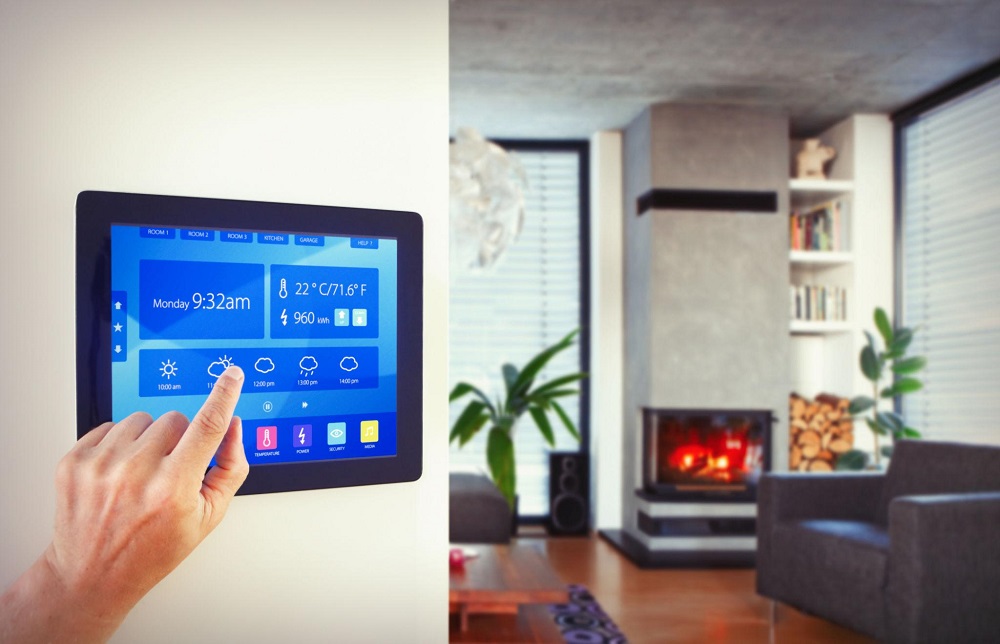
A smart home uses internet-connected devices to automate and manage household systems such as lighting, security, appliances, climate control, and entertainment. These systems allow homeowners to control their environment remotely or automatically through schedules, sensors, and voice commands.
The rapid evolution of connected technologies has made smart homes more accessible, affordable, and practical than ever before. What once felt futuristic is now becoming a standard expectation in modern living spaces.
What Is a Smart Home
A smart home integrates connected devices that communicate with each other through a shared network. These devices can be managed using smartphones, voice assistants, or automation routines that respond to user behavior.
Instead of manually operating appliances, homeowners can monitor and control systems from anywhere with internet access. This improves comfort, safety, efficiency, and convenience.
Common smart home components include:
- Smart lighting systems
- Smart thermostats
- Voice assistants
- Security cameras and sensors
- Smart locks
- Automated appliances
- Smart entertainment devices
Together, these components create a coordinated environment that adapts to daily routines.
Key Features of Smart Home Technology
Smart homes are built around automation, connectivity, and control. These features make everyday living simpler and more efficient.
Remote Access
Homeowners can operate devices through mobile applications even when they are away from home. Lights can be switched off remotely and doors can be locked from anywhere.
Voice Control
Voice assistants allow hands-free operation of devices. Users can adjust temperature, play music, or turn on lights using simple spoken commands.
Energy Management
Smart thermostats and lighting systems help reduce unnecessary power consumption. Automated schedules ensure devices operate only when needed.
Security Monitoring
Smart surveillance cameras and motion detectors provide real-time alerts and live video monitoring. This improves safety and peace of mind.
Device Integration
Multiple smart devices can work together through a single ecosystem, allowing synchronized automation routines.
Benefits of a Smart Home
Smart home technology offers several advantages that enhance both lifestyle and property value.
Improved Convenience
Automation removes the need for repetitive manual tasks. Lights, appliances, and climate systems adjust automatically based on user preferences.
Enhanced Security
Real-time alerts, smart locks, and remote monitoring allow homeowners to keep track of their property from anywhere.
Energy Efficiency
Automated lighting and temperature control reduce electricity usage and lower utility bills.
Better Comfort
Homes adapt to personal routines. For example, lighting intensity changes during evening hours and thermostats adjust before bedtime.
Accessibility Support
Smart homes help elderly individuals and people with mobility challenges manage household tasks more independently.
Popular Smart Home Devices
Several devices form the backbone of modern smart homes.
Common examples include:
- Smart speakers that act as central control hubs
- Smart plugs that convert traditional appliances into connected devices
- Video doorbells that provide visitor alerts and surveillance
- Robot vacuum cleaners that automate floor cleaning
- Smart sensors that detect motion, smoke, or water leaks
These devices improve daily efficiency while supporting automation routines.
How Smart Homes Improve Energy Efficiency
Energy efficiency is one of the strongest reasons homeowners adopt smart technologies.
Smart thermostats adjust temperatures based on occupancy patterns. Smart lighting switches off automatically when rooms are empty. Smart plugs reduce standby power consumption by disconnecting unused appliances.
Together, these features create measurable savings over time while supporting sustainable living habits.
Challenges of Smart Home Adoption
Despite the advantages, some challenges remain.
Initial Setup Costs
Although prices are gradually decreasing, installing multiple smart devices may still require upfront investment.
Connectivity Dependence
Smart devices rely heavily on stable internet connections. Poor connectivity can reduce performance.
Compatibility Issues
Some devices from different manufacturers may not integrate easily into a single ecosystem.
Privacy Concerns
Because smart devices collect data, users must choose trusted platforms and configure security settings carefully.
Future of Smart Home Technology
Smart homes are expected to become more intelligent and predictive.
Artificial intelligence will allow homes to anticipate user needs without manual programming. Energy optimization systems will become more advanced. Security technologies will improve with facial recognition and behavioral detection capabilities.
As connectivity improves worldwide, smart homes will continue to evolve into adaptive living environments that respond dynamically to lifestyle changes.
Tips for Building a Smart Home
Starting a smart home does not require replacing everything at once.
Begin with essential devices such as:
- Smart lighting
- Smart speakers
- Smart plugs
- Security cameras
After creating a foundation, additional automation layers can be added gradually based on personal needs and budget.
Selecting devices that support common integration standards ensures smoother expansion later.
Frequently Asked Questions
1. Can a smart home work without internet
Some devices can operate locally through Bluetooth or offline automation routines, but full functionality typically requires internet connectivity.
2. Are smart homes expensive to maintain
Most devices have low maintenance costs after installation, especially energy-saving systems that reduce electricity consumption.
3. Is smart home technology safe from hacking
Security depends on strong passwords, regular software updates, and choosing reliable manufacturers.
4. Do smart homes increase property value
Homes equipped with automation and security features are often more attractive to buyers and may command higher resale value.
5. Can smart devices work together from different brands
Many devices support shared platforms, but compatibility should be checked before purchasing.
6. Is professional installation required for smart homes
Most entry-level smart devices are designed for simple self-installation, while advanced systems may require professional setup.
7. Are smart homes suitable for apartments
Yes. Many smart devices such as plugs, lights, and cameras are portable and ideal for apartment living without structural modifications
