

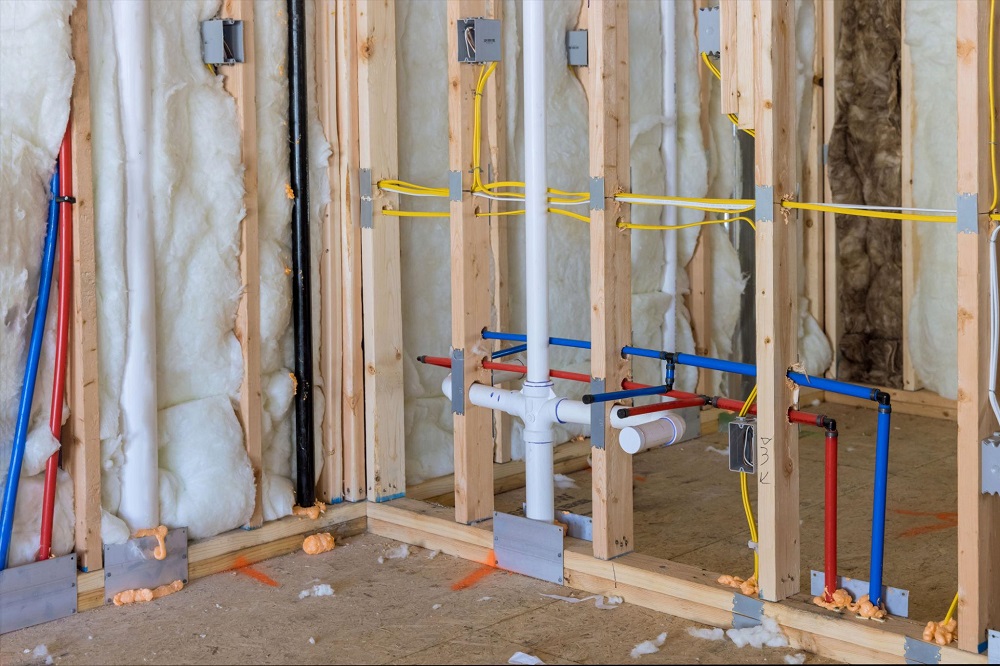
Selecting the right plumbing pipes is one of the most important decisions when building or renovating a modern home. The durability of your water supply system, maintenance costs, water quality, and long-term reliability all depend on the type of piping installed. Today’s homeowners have several advanced options available, each suited to different needs and budgets.
Understanding how these pipes differ helps you choose a solution that balances performance, safety, and longevity.
Why Pipe Selection Matters in Modern Homes
Modern plumbing systems must support consistent pressure, resist corrosion, maintain hygiene standards, and last for decades without frequent repairs. Poor pipe selection can lead to leakage, contamination, structural damage, and expensive maintenance.
Key factors influenced by pipe choice include
- Water quality and safety
- Resistance to temperature variations
- Durability and lifespan
- Installation cost
- Maintenance requirements
- Compatibility with fittings and fixtures
Choosing the correct pipe material ensures a dependable plumbing network throughout the house.
Common Types of Plumbing Pipes Used Today
Different materials serve different purposes inside a home plumbing system. The most widely used modern options are discussed below.
PEX Pipes
PEX, or cross-linked polyethylene pipes, have become extremely popular in residential plumbing due to their flexibility and durability.
Advantages
- Flexible and easy to install
- Resistant to corrosion and scaling
- Suitable for hot and cold water supply
- Requires fewer joints and fittings
- Performs well in colder climates
Limitations
- Not ideal for outdoor exposure
- Sensitive to prolonged sunlight
PEX works best for concealed plumbing layouts and quick renovation projects.
CPVC Pipes
Chlorinated polyvinyl chloride pipes are commonly used in Indian households for both hot and cold water supply.
Advantages
- Handles high temperatures efficiently
- Affordable and widely available
- Lightweight and easy to install
- Resistant to chemical corrosion
Limitations
- Can become brittle with age if exposed to sunlight
- Requires proper solvent welding during installation
CPVC remains one of the most reliable choices for internal water distribution systems.
PVC Pipes
PVC pipes are mainly used for drainage and cold water supply lines rather than hot water transport.
Advantages
- Cost-effective solution
- Excellent corrosion resistance
- Lightweight and easy to handle
- Long service life in drainage systems
Limitations
- Not suitable for hot water supply
- Lower temperature tolerance than CPVC
PVC pipes are ideal for waste disposal lines and external plumbing connections.
Copper Pipes
Copper has been used in plumbing for decades and still remains a premium choice in many modern homes.
Advantages
- Exceptional durability
- Naturally resistant to bacteria
- Withstands high temperatures
- Long lifespan with minimal maintenance
Limitations
- Higher installation cost
- Requires skilled labor for fitting
Copper piping is often selected for luxury homes and high-end plumbing installations.
HDPE Pipes
High-density polyethylene pipes are increasingly used for underground plumbing and external supply lines.
Advantages
- Strong and flexible
- Leak resistant joints
- Suitable for underground installations
- Resistant to chemicals and corrosion
Limitations
- Less common inside residential interiors
- Requires specialized joining techniques
HDPE performs well in large water supply connections and outdoor piping systems.
Factors to Consider Before Choosing Plumbing Pipes
Selecting the best pipe material depends on multiple practical considerations rather than price alone.
Water Temperature Requirements
Homes using solar heaters or geysers require pipes that tolerate high temperatures. CPVC and copper are suitable choices in such cases.
Installation Location
Indoor concealed piping benefits from flexible materials like PEX, while underground pipelines perform better with HDPE.
Budget Planning
PVC and CPVC pipes offer economical solutions without compromising reliability. Copper is more expensive but long-lasting.
Water Quality
Areas with hard or chemically aggressive water require corrosion-resistant materials such as CPVC or HDPE.
Longevity Expectations
If the goal is minimal maintenance over decades, copper and CPVC are dependable long-term investments.
Comparison Between Popular Plumbing Pipe Materials
Understanding differences helps homeowners make practical decisions.
PEX works best for flexible installations inside walls
CPVC suits hot and cold water distribution
PVC is ideal for drainage systems
Copper provides premium durability
HDPE performs well for underground supply
A combination of materials is often used in a single house depending on plumbing layout requirements.
Best Pipe Choice for Different Home Plumbing Applications
Each section of the plumbing network benefits from specific materials.
Water supply lines
CPVC or PEX are commonly recommended
Hot water distribution
CPVC or copper perform reliably
Drainage systems
PVC remains the preferred choice
Underground pipelines
HDPE offers strength and flexibility
Outdoor plumbing connections
HDPE or PVC provide dependable performance
Using the right pipe in the right location increases system efficiency and lifespan.
Installation Tips for Long-Lasting Plumbing Systems
Proper installation plays a major role in pipe durability.
- Use certified pipe materials from reputable manufacturers
- Avoid excessive pipe bending beyond recommended limits
- Ensure leak-proof joints using correct fittings
- Protect exposed pipes from sunlight
- Maintain adequate spacing between hot and cold water lines
- Test the system before closing wall surfaces
Professional installation ensures the plumbing network performs efficiently for years.
Maintenance Practices to Extend Pipe Life
Regular maintenance helps prevent unexpected plumbing failures.
Check visible pipes periodically for leaks
Avoid harsh chemical drain cleaners
Monitor water pressure levels
Clean storage tanks regularly
Insulate exposed pipes during winter in colder regions
Preventive care reduces long-term repair costs significantly.
Conclusion
Choosing the best pipes for modern home plumbing requires balancing durability, budget, temperature tolerance, and installation location. CPVC and PEX remain the most practical choices for indoor supply systems, while PVC and HDPE are ideal for drainage and underground applications. Copper continues to be a premium option where long service life is the top priority. Selecting appropriate materials for each plumbing section ensures a safe, efficient, and low-maintenance water system for years to come.
Frequently Asked Questions
Which pipe is best for hot water plumbing in homes
CPVC and copper pipes are considered the most reliable for hot water supply because they tolerate higher temperatures without deformation.
Are PEX pipes safe for drinking water supply
Yes, certified PEX pipes are safe for potable water and widely used in modern residential plumbing systems.
How long do CPVC pipes usually last
Properly installed CPVC pipes can last more than 40 to 50 years under normal household usage conditions.
Is copper piping better than plastic piping
Copper offers superior durability and resistance to bacteria, but plastic pipes like CPVC and PEX provide more economical and easier installation options.
Which pipe is ideal for underground water supply
HDPE pipes are preferred for underground installations due to their flexibility, strength, and leak-resistant joints.
Can PVC pipes be used for hot water supply
PVC pipes are not recommended for hot water applications because they cannot withstand high temperatures safely.
What is the most cost-effective plumbing pipe option for homes
CPVC pipes are generally considered the best balance between affordability, durability, and temperature resistance for residential plumbing systems.
