

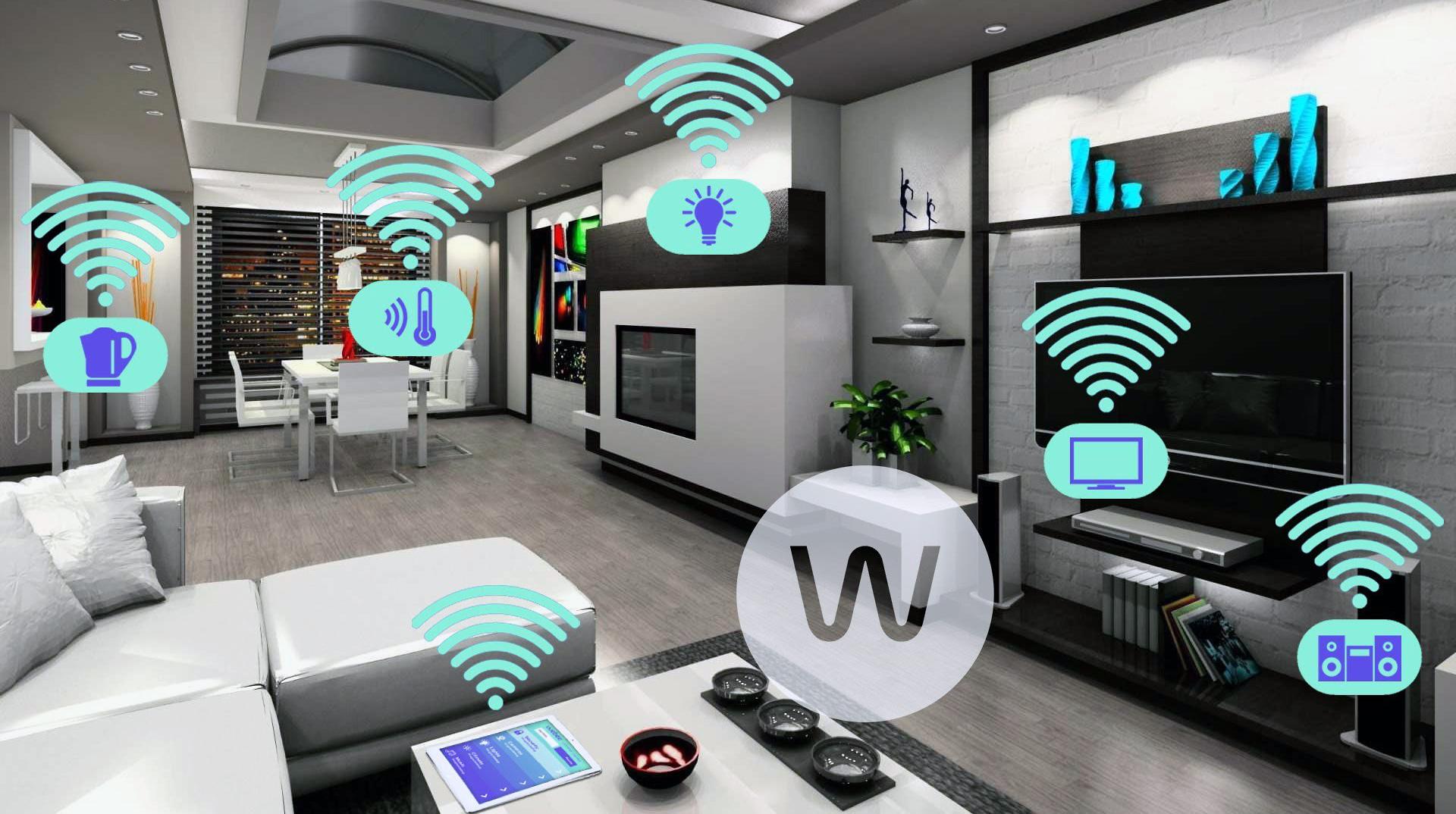
A smart home is a living space equipped with interconnected technologies that automate and optimize everyday tasks. These systems enable homeowners to control lighting, temperature, security, and appliances through digital platforms, often remotely. The goal is to create a home environment that is efficient, responsive, and tailored to individual lifestyles.
Unlike conventional homes, smart homes rely on real-time data and connectivity to adapt to user habits and environmental conditions.
How Smart Home Systems Operate
Smart home systems function through a network of devices that communicate with each other using wireless technologies. These devices are typically controlled through a central application or voice interface.
Core Operating Components
-
Smart sensors that collect environmental data
-
Connected devices that respond to commands or triggers
-
Wireless communication protocols such as Wi-Fi or Bluetooth
-
Automation software that manages routines and schedules
Together, these components allow seamless interaction between users and their homes.
Essential Smart Home Devices
Smart homes can be customized with various devices depending on personal needs and priorities.
Popular Device Types
-
Smart lighting systems with dimming and scheduling options
-
Smart thermostats that adjust temperatures automatically
-
Smart security solutions including cameras and alarms
-
Smart speakers and voice assistants for hands-free control
-
Smart plugs and switches for energy management
Each device adds a layer of intelligence that enhances everyday living.
Advantages of Smart Home Living
Smart homes provide a combination of comfort, safety, and efficiency that traditional homes cannot easily match.
Major Benefits
-
Improved energy efficiency through automated controls
-
Greater convenience with centralized management
-
Enhanced home security with real-time monitoring
-
Personalized living experiences based on routines
-
Remote access from smartphones or tablets
These benefits make smart homes especially appealing for busy households and modern lifestyles.
Privacy and Security in Smart Homes
With increased connectivity comes the responsibility to protect personal data. Smart homes must be secured to prevent unauthorized access.
Best Practices for Protection
-
Enable strong passwords and authentication methods
-
Regularly update device software and firmware
-
Use secure home networks with encryption
-
Review data-sharing settings carefully
Proactive security measures ensure smart homes remain both safe and trustworthy.
Limitations of Smart Home Technology
Despite their advantages, smart homes present certain challenges that users should consider.
Common limitations include:
-
High upfront investment for devices and setup
-
Compatibility issues between different brands
-
Reliance on stable internet connections
-
Technical complexity for first-time users
Addressing these challenges early helps create a smoother smart home experience.
The Future of Smart Homes
The future of smart homes points toward greater automation driven by artificial intelligence and machine learning. Homes are expected to become more intuitive, offering predictive responses and deeper integration with energy systems and health monitoring technologies.
As innovation continues, smart homes will evolve into adaptive environments that actively support comfort, efficiency, and well-being.
Frequently Asked Questions (FAQ)
What makes a home truly “smart”?
A home becomes smart when devices not only connect but also automate tasks and respond intelligently to user behavior.
Do smart homes consume more electricity?
Most smart homes reduce overall energy usage by optimizing heating, cooling, and lighting.
Can smart home devices be controlled manually?
Yes, nearly all smart devices offer manual controls alongside digital options.
Are smart homes suitable for older adults?
Smart homes can improve safety and accessibility, making them highly suitable for elderly residents.
Is professional installation required for smart homes?
Many devices are designed for self-installation, though complex systems may benefit from professional setup.
How long do smart home devices last?
Device lifespan varies, but most last several years with proper maintenance and updates.
Can smart home systems expand over time?
Yes, smart homes are highly scalable, allowing users to add new devices as needs evolve.
