

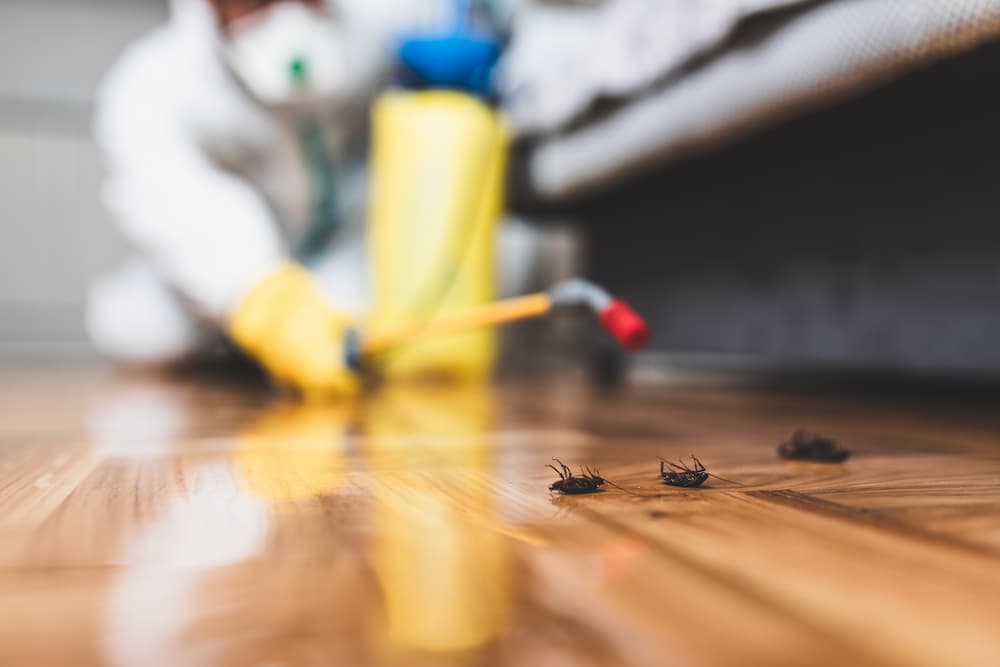
Pest control is a vital practice for preserving health, comfort, and property value. From homes to commercial buildings, pest infestations can escalate quickly if left untreated. A proactive and well-structured pest control strategy helps eliminate existing pests while preventing future invasions.
Understanding Pest Control
Pest control involves the systematic prevention, management, and removal of pests such as insects, rodents, and other harmful organisms. The goal is not only to eradicate pests but also to reduce the conditions that allow them to thrive.
Importance of Pest Control in Everyday Life
Unchecked pest activity can lead to long-term problems. Pest control is essential because it:
-
Reduces health risks caused by bacteria, parasites, and allergens
-
Prevents structural damage to walls, furniture, and wiring
-
Improves hygiene standards in living and working spaces
-
Protects food and stored goods from contamination
Effective pest management ensures a safer and more comfortable environment.
Common Pests Found in Homes and Workplaces
Different settings attract different types of pests. The most frequently encountered include:
-
Crawling insects: Ants, cockroaches, bed bugs
-
Flying insects: Mosquitoes, flies, wasps
-
Rodents: Rats and mice
-
Structural pests: Termites and wood borers
Each pest species requires a specific control method for reliable results.
Types of Pest Control Methods
Chemical Treatments
Chemical pest control uses regulated pesticides to eliminate infestations efficiently. These treatments are highly effective when applied by trained technicians following safety guidelines.
Natural and Biological Control
This method focuses on environmentally friendly solutions, such as beneficial insects or organic repellents. It is commonly used for gardens and sensitive areas.
Physical and Mechanical Control
Mechanical pest control includes traps, barriers, and exclusion techniques. Sealing gaps, installing mesh, and using bait stations fall under this category.
Integrated Pest Management (IPM)
IPM combines multiple approaches to achieve long-term pest prevention. It emphasizes monitoring, habitat modification, and minimal chemical use.
Residential Pest Control Services
Residential pest control focuses on protecting families and personal property. Treatments are customized based on the home’s structure, pest type, and infestation level, ensuring both safety and effectiveness.
Commercial Pest Control Services
Commercial spaces require consistent and compliant pest management, especially in industries like hospitality, healthcare, and food processing. Regular inspections and preventive plans are key components of commercial pest control.
Advantages of Hiring Pest Control Professionals
Professional pest control offers several benefits:
-
Accurate pest identification and assessment
-
Customized treatment plans
-
Safe handling of pest control products
-
Long-term prevention strategies
Expert services deliver reliable results that DIY methods often fail to achieve.
Practical Tips to Prevent Pest Problems
Preventive steps can significantly lower the risk of infestation:
-
Maintain clean and clutter-free spaces
-
Fix leaks and eliminate moisture sources
-
Store food securely
-
Seal cracks, vents, and entry points
-
Schedule routine pest inspections
Consistency is key to keeping pests away year-round.
Selecting the Right Pest Control Approach
Choosing the right solution depends on factors such as pest type, severity, property usage, and environmental impact. A tailored pest control plan ensures effective and sustainable outcomes.
Final Thoughts
Pest control is more than a reactive service—it is a preventive investment in health and property protection. With the right methods and professional guidance, pest issues can be managed efficiently and safely for the long term.
Frequently Asked Questions (FAQs)
1. What is the best time of year for pest control?
Spring and summer are ideal, but year-round pest control ensures consistent protection.
2. How long does a pest control treatment last?
Most treatments remain effective for several weeks to months, depending on the method used.
3. Can pest control be done in occupied homes?
Yes, modern treatments are designed to be safe when applied correctly.
4. Do pests indicate poor hygiene?
Not always. Even clean homes can attract pests due to climate, location, or structural gaps.
5. Are eco-friendly pest control options effective?
Yes, especially for prevention and minor infestations.
6. How do I know if I need professional pest control?
Persistent sightings, property damage, or recurring infestations signal the need for expert help.
7. Is preventive pest control worth it?
Preventive services reduce long-term costs and minimize the risk of serious infestations.
