

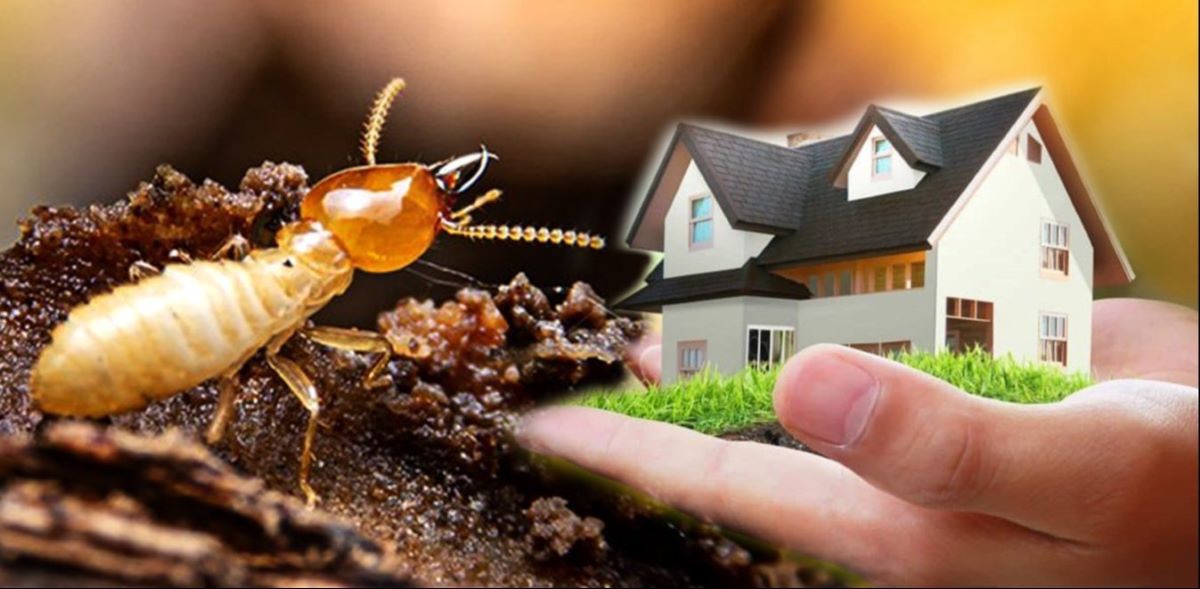
Pest control plays a crucial role in maintaining healthy, safe, and hygienic living environments. Whether it’s ants in the kitchen, termites in the walls, or rodents in storage areas, pests can cause structural damage, spread disease, and disrupt daily life. A well-planned pest control approach not only eliminates infestations but also prevents future problems.
What Is Pest Control?
Pest control refers to the management and regulation of insects, rodents, and other unwanted organisms that invade residential, commercial, or agricultural spaces. It combines preventive measures, monitoring, and targeted treatments to reduce pest populations safely and effectively.
Why Pest Control Is Essential
Ignoring pest issues can lead to serious consequences. Effective pest control helps:
-
Protect health by reducing exposure to bacteria, allergens, and disease-carrying pests
-
Prevent property damage, especially from termites and rodents
-
Maintain cleanliness in homes, offices, and food-related businesses
-
Ensure peace of mind by creating a pest-free environment
Common Types of Household Pests
Different environments attract different pests. The most common include:
-
Insects: Cockroaches, ants, bed bugs, mosquitoes, flies
-
Wood-destroying pests: Termites, carpenter ants
-
Rodents: Rats and mice
-
Occasional invaders: Spiders, silverfish, centipedes
Each pest requires a tailored treatment strategy for effective control.
Pest Control Methods Explained
Chemical Pest Control
This method uses approved pesticides and insecticides to eliminate pests quickly. When applied correctly by trained professionals, chemical treatments are safe and highly effective for severe infestations.
Biological Pest Control
Biological control relies on natural predators or organisms to manage pest populations. It is commonly used in gardens and agricultural settings and is considered environmentally friendly.
Mechanical and Physical Control
These methods involve traps, barriers, and exclusion techniques, such as sealing entry points or installing screens. They are ideal for rodents and crawling insects.
Integrated Pest Management (IPM)
Integrated Pest Management combines multiple strategies to achieve long-term pest prevention. IPM focuses on monitoring, prevention, minimal chemical use, and sustainable solutions.
Residential vs. Commercial Pest Control
Residential Pest Control
Home pest control focuses on family safety, comfort, and long-term prevention. Treatments are customized based on the type of pest, home layout, and infestation severity.
Commercial Pest Control
Businesses require strict pest management standards, especially in industries like food service, healthcare, and hospitality. Commercial pest control prioritizes compliance, regular inspections, and discreet treatments.
Benefits of Professional Pest Control Services
Hiring professionals offers advantages beyond DIY methods:
-
Expert identification of pest species
-
Targeted treatments that reduce repeat infestations
-
Safe application of pest control products
-
Preventive plans for year-round protection
Professional services save time, reduce risks, and deliver lasting results.
How to Prevent Pest Infestations
Prevention is always better than treatment. Simple habits can significantly reduce pest problems:
-
Keep kitchens and storage areas clean and dry
-
Seal cracks, gaps, and entry points
-
Store food in airtight containers
-
Dispose of waste regularly
-
Schedule routine pest inspections
Consistent prevention minimizes the need for aggressive treatments.
Choosing the Right Pest Control Solution
The best pest control plan depends on:
-
Type of pest
-
Level of infestation
-
Property size and usage
-
Environmental concerns
A customized approach ensures effective results without unnecessary exposure to chemicals.
Conclusion
Pest control is an essential part of maintaining safe, healthy, and damage-free environments. From prevention to professional treatments, the right strategy protects both property and well-being. Investing in proper pest control today helps avoid costly repairs and health risks tomorrow.
Frequently Asked Questions (FAQs)
1. How often should pest control be done?
Most homes benefit from pest control every 3–6 months, depending on location, climate, and pest activity.
2. Is pest control safe for children and pets?
Yes, when performed by professionals using approved products and proper precautions.
3. Can pests return after treatment?
Pests can return if preventive measures are not followed, which is why ongoing monitoring is important.
4. What are the signs of a hidden pest infestation?
Droppings, unusual odors, damaged wood, scratching sounds, and visible nests are common indicators.
5. Are natural pest control methods effective?
Natural methods work for minor infestations, but severe cases usually require professional treatment.
6. Does pest control help with allergies?
Yes, reducing pests like cockroaches and dust mites can significantly improve indoor air quality.
7. When should I call a pest control professional?
If pests persist despite DIY efforts or if you notice structural damage, professional help is recommended.
